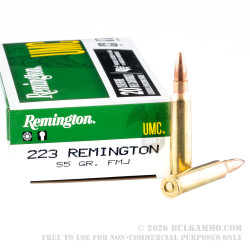
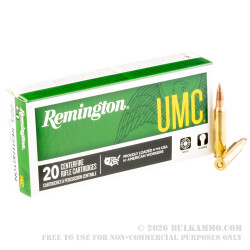
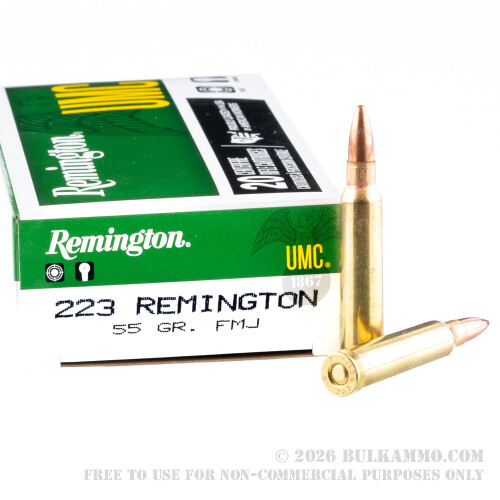
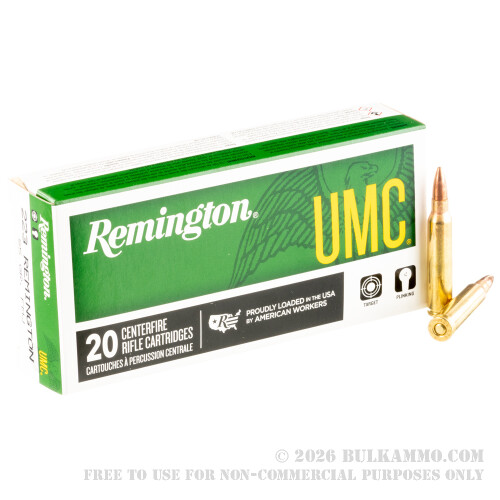
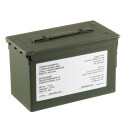
200 Rounds of .223 Ammo by Remington UMC - 55gr MC
Out of Stock
Ammo Overview
Ammo Manufacturer - Remington UMC
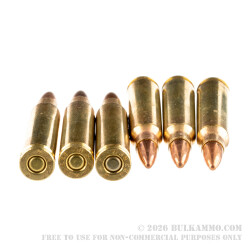
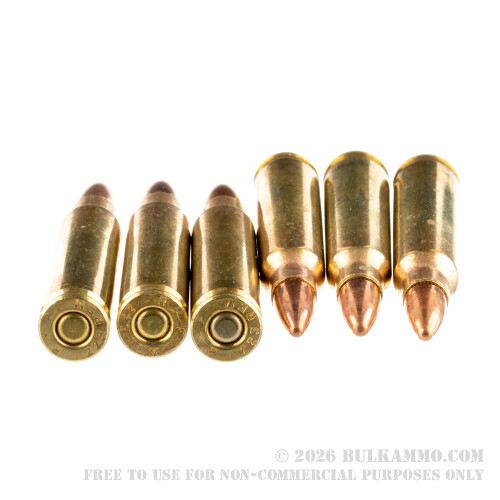
Bullets - 55 grain metal case (MC)
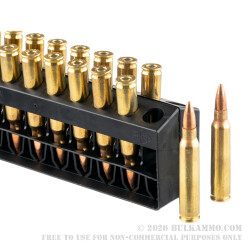
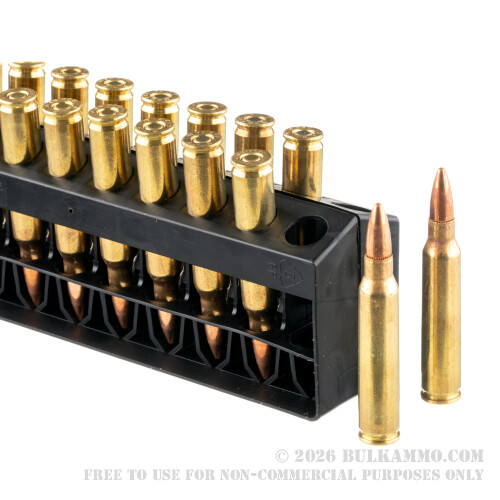
Ammo Casings - Boxer-primed brass


Details
This ammo is non-corrosive, boxer-primed, reloadable, and contains no steel inside. Pick up a case or two today and see the consistent quality that Remington has built its brand off of providing to shooters.
Customer Reviews
Review by Joe mac
-
Quality
-
Performance
-
Value
Review by Chris
-
Performance
-
Value
-
Quality
Review by james C
-
Performance
-
Value
-
Quality
Review by Kasper
-
Performance
-
Value
-
Quality
Review by Wayne
-
Quality
-
Performance
-
Value
-
Performance
-
Value
-
Quality
(Posted on 1/22/2015)
Review by womaa
-
Performance
-
Value
-
Quality
Review by Jimmy
-
Performance
-
Value
-
Quality
Review by Jeremy
-
Quality
-
Performance
-
Value
Review by gary
-
Performance
-
Value
-
Quality
Review by Johne
-
Performance
-
Value
-
Quality
Review by Yazoodew
-
Performance
-
Value
-
Quality
Review by Tom
-
Performance
-
Value
-
Quality
Review by Danno1843
-
Performance
-
Value
-
Quality
Review by ar15chefguy
-
Performance
-
Value
-
Quality
Review by Jay
-
Performance
-
Value
-
Quality
Review by Justin
-
Performance
-
Value
-
Quality
Review by ape
-
Performance
-
Value
-
Quality
Review by Concerned
-
Performance
-
Value
-
Quality
My only concern was that the product was not wrapped and the delivery person ask me "what are you gonna shoot?" (Posted on 8/2/2012)
Review by gunlover
-
Quality
-
Performance
-
Value
Review by KM502
-
Quality
-
Performance
-
Value
Review by Dwesty
-
Quality
-
Performance
-
Value
Review by Miggs
-
Quality
-
Performance
-
Value
Review by blp10
-
Quality
-
Performance
-
Value
Review by MDD496
-
Quality
-
Performance
-
Value
Review by Mad Martian
-
Quality
-
Performance
-
Value
Keep up the good work ..............
M/ (Posted on 11/29/2011)
You may also be interested in the following product
Product Question and Answer
Our customer service team has published this Q&A information as a free service to the shooting community. Please note that BulkAmmo.com expressly disclaims any and all liability with regard to how the shooting community might use this Q&A information. See Terms of Use for more details.
Posted On: 2/24/2015 By: Colton Harris
Posted On: 10/28/2011 By: T Law
Posted On: 10/24/2011 By: Douglas
The push for the .223/5.56mm cartridge came out of a 1952 study by a military-funded civilian research group called "Operational Requirements for an Infantry Hand Weapon," as well as several studies and discussions that occurred immediately after World War II. These studies determined that most rifle combat between infantry units took place at 300 meters or less, and that beyond 100 yards, marksmanship was severely reduced. Hits on enemy combatants were seen to be almost random. Because of this, those in positions of power largely decided that the best way to increase the number of enemy casualties was to reduce the caliber of the rifle used by US military units. This would increase short range hit probability by reducing recoil and increase long range hits by allowing the infantryman to carry much more ammunition.
Also, wound ballistics tests at the time determined that small caliber, high velocity projectiles caused more damage than slower, heavier projectiles that did not fragment, expand, or upset in tissue. The US Army's Ballistics Research Laboratory published a study in 1957 titled "Upon Selecting an Optimum Rifle Round" which described a .22 caliber, high velocity, 50 grain bullet that yawed in the target caused increased kill probabilities. This, coupled with a US Army requirement for a cartridge that was effective to 500 yards (despite the earlier study indicating that most rifle combat occurred below 300), led to the modification of .222 Remington ammunition. This new ammunition fired a 55 grain full metal jacket boat tailed bullet at 3300fps. The requirements at 500 yards stipulated accuracy and the ability to penetrate a steel helmet. The new cartridge successfully did so.
Because of institutional belief that larger caliber weapons were better, it was not until 1961 that, at the behest of the Air Force, further testing of the new AR-15 and its .223 Remington cartridge came about. Double the number of shooters scored Expert with the AR-15 versus those firing the M14 rifle in 7.62mm. In addition, the new rifle was found to be easier for soldiers of smaller stature to shoot - in other words, score more hits on their targets.
The bottom line is that the driving factors behind development of the AR-15 and the .223 Remington cartridge - which were closely intertwined - were increased lethality, increased accuracy, lighter weight, and a larger ammunition load per a given weight. There is absolutely no truth to the myth that the .223 Remington cartridge was intended to cause injury instead of death.
You have no obligation to purchase the product once you know the price. You can simply remove the item from your cart.
You have no obligation to purchase the product once you know the price. You can simply remove the item from your cart.
-

1000 Rounds of .223 Ammo by PMC - 55gr FMJBT
Regular Price: $479
On Sale: $439
-

500 Rounds of .223 Ammo by Federal - 55gr FMJBT
Regular Price: $289
On Sale: $229
-

1200 Rounds of .223 Ammo by Hornady Frontier - 55gr FMJBT
Regular Price: $544
On Sale: $519